
Reviewed · TAIWANESE COOKING CLASSES
Taiwanese Baking Class with Oolong Tea Tasting in Taipei
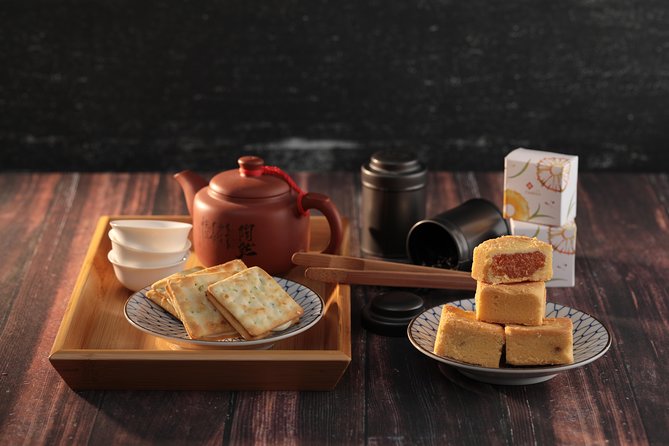
A good fortune pastry baking class in Taipei is a fun change from the usual food tours, because you actually make the sweets and then taste them right away. You’ll learn how Taiwan Oolong Tea fits naturally with classic fillings and flaky textures, not just as a random drink pairing.
I like the hands-on payoff, you end up with pineapple cakes and mung bean pastries that feel like real souvenirs. I also like that the group stays small, up to 10 people, so the instructor can keep instructions clear and pace manageable.
One consideration: the experience depends on good weather, so if conditions are poor, your session could shift to another date or be refunded.
Key things that make this class worth your afternoon
- Pineapple-cake meaning built into the baking: the pineapple is tied to the sound “ong-lai,” linked to fortune and prosperity
- You bake multiple traditional pastries: pineapple cakes, mung bean cakes, plus scallion nougat crackers
- Oolong tea service is part of the class, not an add-on, so you taste as you go
- To-go packaging and extras: you leave with a boxed set of pastries and a recipes handout
- Small group format (max 10) that supports patient, step-by-step teaching
Taipei afternoon baking, with good-luck pastries and real tea time
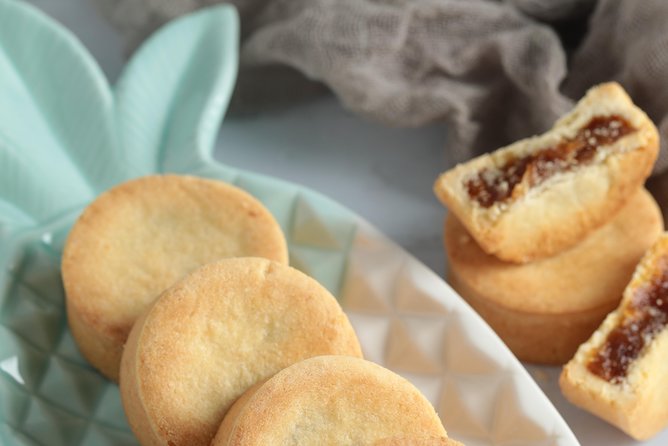
If you want a Taipei experience that’s both tasty and practical, this kind of class hits the sweet spot. You get a short, focused session at an actual teaching kitchen, and you walk out with sweets you can share, plus the story of why people bake them in the first place.
The star of the class is the good-luck vibe, especially with pineapple cakes. In Taiwan, people connect pineapple to the sound “ong-lai,” which plays into the wish of fortune and prosperity coming your way. It’s not just cute symbolism, it makes the food feel like a message you can hand to someone.
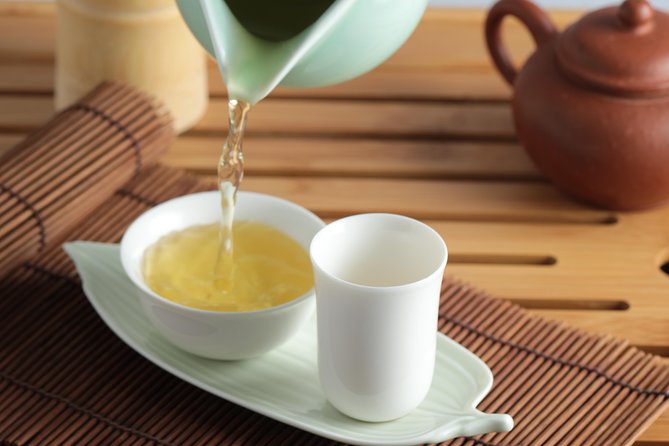
And the tea matters too. You’re served Taiwan Oolong Tea as part of the experience, and you’ll get a short introduction to traditional tea culture. The best part is that tea here is meant to go with what you just baked, so you taste with more attention than you would at a random tea shop.
Where you start at Cookinn Taiwan (Zhongshan 中山 教室) and how to plan your timing
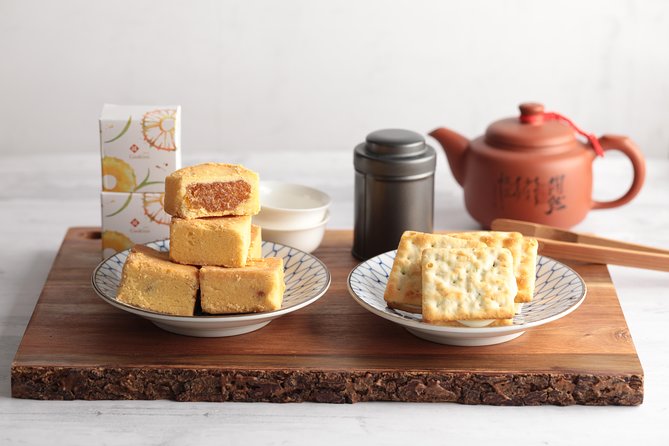
You meet at Cookinn Taiwan, Zhongshan 中山教室, Room 103, 2nd floor, 66號 Section 1 Chengde Rd, Datong District, Taipei City. The start time is 2:30 pm, and the activity ends back at the same meeting point.
This timing is ideal if you want to avoid the busiest morning hours but still have a full evening afterward. It’s also a nice option for people who are already sightseeing around central Taipei, since the meeting point is near public transportation.
You’ll want to bring the basics for a baking class: wear comfortable clothes and be ready to get a little flour on your day. Also, because the tour uses a mobile ticket, you can usually keep things simple at arrival.
Other tea hills within reach of Taipei:
- From Taipei: Thousand Island Lake and Pinglin Tea Plantation
★ 4.7 · 519 reviews - Thousand Island Lake and Pinglin Tea Plantation from Taipei
★ 4.5 · 172 reviews - From Taipei: Pinglin Tea Culture and Maokong Guided Day Tour
★ 4.8 · 104 reviews
Baking pineapple cakes: the fortune-prosperity souvenir you actually shape
Pineapple cakes are one of Taiwan’s most iconic pastries, and they’re also one of the best “I was there” gifts because they travel well. What makes this class extra satisfying is that you’re not just buying one cookie-like item, you’re learning the craft behind the pastry.
These cakes are famous for taste, but the class also frames them as a blessing. The pineapple wordplay matters: “pineapple” sounds like “ong-lai,” which ties into a wish for fortune and prosperity to come. When you make the cake yourself, that meaning lands differently. It stops being marketing and turns into a story you can tell at your table.
In the kitchen, you follow the instructor’s step-by-step guidance to form and bake the pineapple cakes. The key value here is control. You learn how the pastry comes together during the work, so you understand why the final texture feels like traditional Taiwanese baking instead of generic shortbread.
If you care about taking home something that looks and tastes like the real thing, pineapple cakes are the move. They’re the most recognizable symbol you can bring back, and you’ll handle them from start to finish.
Mung bean cakes and that sweet, classic Taiwanese comfort vibe
Next you make mung bean cakes, another traditional favorite with a reputation for being comforting and not overly fussy once you taste it. Mung bean filling is a classic in Taiwan pastry culture, and it tends to balance sweetness with a smooth, mellow flavor.
In a class like this, the mung bean cakes are valuable because they show that Taiwan pastries aren’t all about one flavor identity. Pineapple cakes bring symbolism and aroma, while mung bean cakes bring a softer, steadier sweetness. You get a broader view of what local people actually snack on and gift.
You’ll work through the steps with the instructor guiding you, and you’ll get enough time in the process that the end result feels earned. That matters if you usually do food tours by eating and moving on. Here, you do the work and then taste it as the final reward.
Scallion nougat crackers: savory layers plus milky-sweet filling
One of the most satisfying parts of the experience is making scallion nougat crackers. This is where the class gets fun, because you’re dealing with savory and sweet in one bite.
The crackers are described as flaky scallion crackers sandwiching a milky-sweet nougat filling. That combo is exactly why these work so well with tea. The savory scallion gives structure, and the sweet nougat rounds it out, so your palate doesn’t get stuck in one direction.
What I like about having you make these is that you get more than one texture lesson. Pineapple cakes and mung bean cakes are pastry and filling, but scallion crackers bring crunch and flakiness into the mix. It’s also a practical souvenir. Crackers travel well, and they make a great “snack box” item when you’re not in the mood for something heavy.
When the class is done, you’ll have your final scallion crackers and pineapple cakes prepared to take home, so you’re not leaving with an empty stomach and vague memories.
More kitchens taking bookings in Taipei:
- Xiao Long Bao, Beef Noodles & Boba Tea Cooking Class in Taipei
★ 5.0 · 159 reviews - Xiao Long Bao, Chicken vermicelli with mushroom and sesame oil, Tofu strips salad, Bubble milk tea. Taiwan Traditional Delicacies Experience-A (Taipei Cooking Class)
★ 5.0 · 79 reviews - Taipei Cooking Class & Market Adventure in Historic Dadaocheng
★ 5.0 · 77 reviews - Xiao Long Bao & Boba Tea Cooking Class in Taipei
★ 5.0 · 28 reviews
Snacks and tea service: tasting while your baking day is still warm
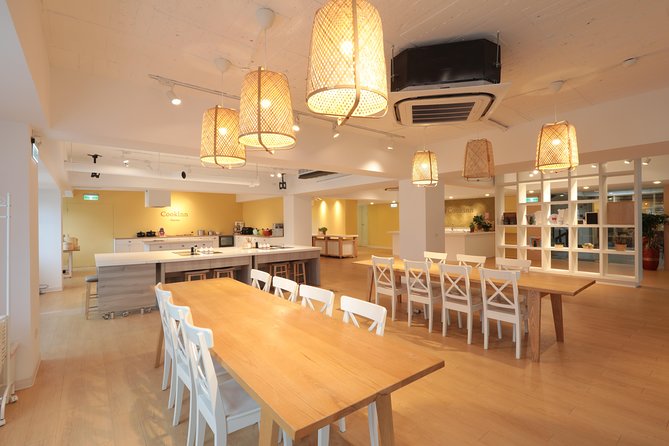
You’re not left waiting around for the oven to do all the work. The session includes snacks and a tea service, so your afternoon stays enjoyable even while you’re learning.
The tea portion is more than just sipping. The instructor introduces traditional Taiwanese tea culture, and then you get a service featuring Taiwan Oolong Tea. Oolong is known for its flavor character shaped by unique growing conditions, and in practice it comes across as aromatic with a taste that can hold up to pastry sweetness.
Here’s the practical takeaway: when tea is served during your class, you can taste the contrast immediately. You make a pastry, then you try it with tea, and you start to notice what changes when the tannins and aromas meet butteriness, fruitiness, and sweet filling.
I find that this setup gives you better memory hooks than a late, afterthought drink. You’re paying attention while your skills are fresh and your pastries are still the main event.
What you take home: to-go goodies, boxed pastries, and recipes
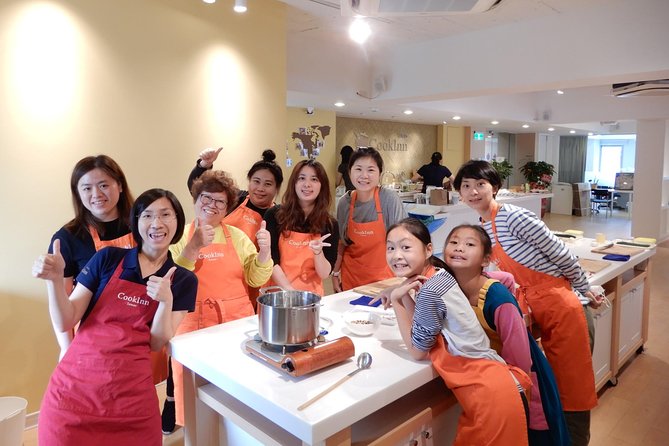
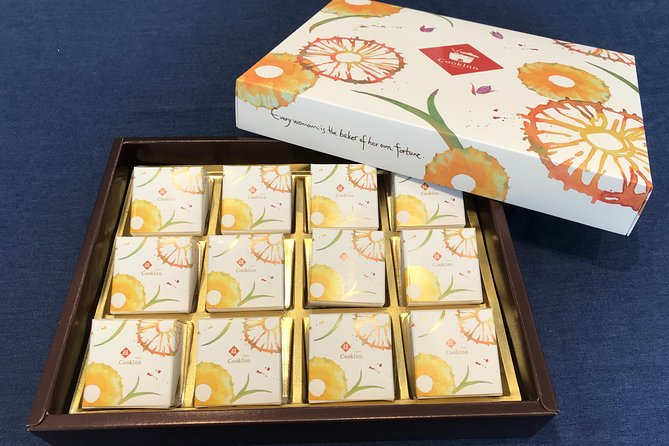
This class is set up so you leave with actual take-home value, not just photos. You get to take home a to-go box with your baked goods, including your pineapple cakes and scallion nougat crackers.
Packaging matters here. The pastries are prepared in a way that makes them easy to transport and share, and you also get lovely recipes so you can recreate the experience later. That last part is important for me, because a cooking class that ends at the door can feel like a one-time event. With recipes, you have a chance to bring the flavors back at home.
Also, the class description includes to-go goodies beyond the baking. So even if you’re the kind of traveler who doesn’t want to carry too many items, the format is designed for you to pack the sweets easily.
If you’re buying gifts in Taipei, this is a smart alternative to guessing which pastry will survive the flight and still taste good at your destination.
Price and value: is $80 worth a 2.5-hour baking-and-tea session?
At $80 per person, this isn’t the cheapest thing you could do in Taipei. But it’s also not just a tasting. You’re paying for instruction, ingredients, snacks, tea service, and the privilege of taking home multiple baked items with recipes included.
Here’s how I think about value for a class like this:
- You’re not only consuming treats, you’re learning to produce them.
- You get several pastry types, so the payoff is varied.
- Tea and snacks keep the session enjoyable, so you’re not paying for a short segment.
- The to-go box and take-home goodies reduce the extra costs you’d otherwise spend buying souvenir pastries.
If your goal is to eat your way through Taipei on a budget, a market crawl might be cheaper. If your goal is a “do something memorable with your hands” experience that also leaves you with gift-able food, the price starts to make sense fast.
And the small group format, capped at 10, is part of that value. It helps with pacing and instruction clarity, which can be the difference between feeling lost and actually enjoying the process.
Group size and instructor style, why the class feels manageable
This experience caps at 10 travelers, which is a big deal for a baking class. Small groups mean you spend less time waiting, and you’re more likely to get direct help if something goes off-script.
From what you can expect, the instructor keeps things patient and clear, with instructions that are easy to follow. When you’re learning pastry steps, that clarity matters. Baking is all about timing and technique, and you don’t want to spend your afternoon stressed about what comes next.
This class also works well if you’re not a confident kitchen person. You’re not expected to already know how Taiwanese pastries behave. The teaching style is meant to get you to a finished result you can box up and take home.
Who should book this Taipei Taiwanese pastry class (and who might skip it)
This is a great fit for:
- Foodies who want more than tasting, you want to make something real
- Travelers who like learning local traditions, especially when the food has built-in meaning like good fortune
- People who want gift-ready souvenirs that travel well
- Anyone planning an afternoon in central Taipei who wants a structured, fun food activity
It might be less ideal if:
- You only have time for quick bites and short stops
- You’re very heat sensitive or have trouble with hands-on cooking tasks
- You can’t be flexible with dates if weather causes a reschedule
Since it starts at 2:30 pm and runs about 2 hours to 2.5 hours, it also fits best as a main activity rather than a last-minute side stop.
Should you book this good fortune baking class?
I’d book it if you want a Taipei experience that’s both enjoyable and useful. The hands-on pastry making is the core, and the oolong tea service turns it into a full flavor session instead of a rushed workshop.
It’s also a smart choice if you care about taking something home that feels meaningful. Pineapple cakes are iconic for a reason, and in this class you also learn why they’re linked to fortune and prosperity. Then you add variety with mung bean cakes and scallion nougat crackers.
Only hesitate if you hate day-of schedule changes due to weather. Otherwise, this is the kind of “treat yourself” afternoon that leaves you with baked goods, recipes, and a story you can share.
FAQ
Where is the class located in Taipei?
The class meets at Cookinn Taiwan (Zhongshan 中山教室), Room 103, 2nd floor, 66號 Section 1 Chengde Rd, Datong District, Taipei City.
What time does it start?
The start time is 2:30 pm.
How long is the experience?
The duration is about 2 hours (approx.), and the class itself is described as about 2.5 hours in the overview.
What pastries will I make?
You’ll learn to make pineapple cakes and mung bean cakes, and you also make scallion nougat crackers.
Is oolong tea included?
Yes. Snacks and a traditional tea service are included, featuring Taiwan Oolong Tea.
Will I get food to take home?
Yes. You receive to-go goodies and an exclusive souvenir box, and the experience ends back at the meeting point.
How big is the group?
The class has a maximum of 10 travelers.
Do I need to print anything?
No. The tour uses a mobile ticket.
What happens if weather is bad?
The experience requires good weather. If it’s canceled due to poor weather, you’ll be offered a different date or a full refund.
What is the cancellation window?
You can cancel up to 24 hours in advance for a full refund. Cancellation less than 24 hours before the start time is not refunded.
More Food & Drink in Taipei
- The Award-Winning Private Food Tour of Taipei: The 10 Tastings
★ 5.0 · 716 reviews - Taipei: Food Tours w/ Top 10 Taiwan Food (Breakfast/Dinner)
★ 4.7 · 517 reviews - Taipei: Private Food Tour – 10 Tastings with Locals
★ 4.9 · 218 reviews - Taipei: Street Food & Hidden Eats Night Market Food Tour
★ 4.8 · 112 reviews
More Cooking Classes in Taipei
- Xiao Long Bao, Pork thick soup, Bubble milk tea. Taiwan Traditional Light Meals Experience-B (Taipei Cooking Class)
★ 5.0 · 24 reviews - Street Food Cooking Class in Taipei : Gua Bao/Lu Rou Fan/Boba Tea
★ 5.0 · 22 reviews - Xiao long bao, Pork thick soup, Bubble milk tea. (Taiwan Cooking Class)-B
★ 5.0 · 18 reviews - Taiwanese Gourmet Cooking Class in Taipei
★ 5.0 · 18 reviews
Just added on the Taipei side
- Private Taichung Instagram Day Tour from Taipei★ 5.0 · 3 reviews
- From Taipei: Leofoo Village Entry Tickets + Round Trip Bus★ 2.7 · 3 reviews
- Yilan 1-Day Private Tour to Kavalan Whisky & Cultural Gems★ 4.5 · 3 reviews
- Best of Taiwan 9 Days Tour★ 3.5 · 3 reviews
- Keelung Shore Excursion: Private 6H Natural Wonder & Seafood Tour★ 5.0 · 3 reviews
- One-way Private Transfer between Jiufen and Taipei★ 5.0 · 3 reviews
- Taipei Cherry Blossom Day Tour to Yangmingshan and Tamsui★ 4.5 · 3 reviews
- 12hrs – Chiayi Meteor Garden Classic Tour From Taipei★ 5.0 · 3 reviews
Taiwanese Cooking Classes, compared.
Xiao Long Bao, Beef Noodles & Boba Tea Cooking Class in Taipei
Read our review →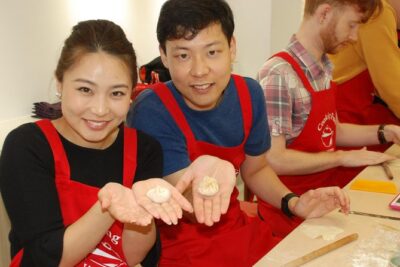
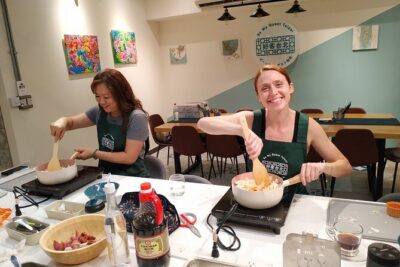
Taipei Cooking Class & Market Adventure in Historic Dadaocheng
Read our review →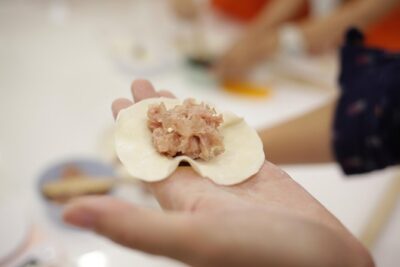
Xiao Long Bao & Boba Tea Cooking Class in Taipei
Read our review →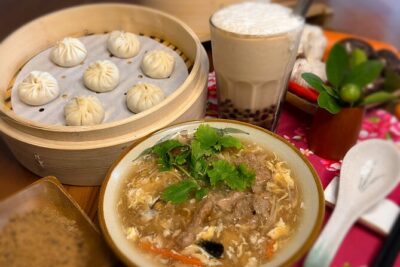
Xiao Long Bao, Pork thick soup, Bubble milk tea. Taiwan Traditional Light Meals Experience-B (Taipei Cooking Class)
Read our review →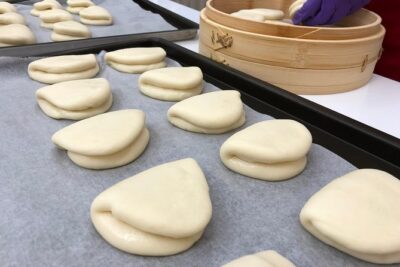
Street Food Cooking Class in Taipei : Gua Bao/Lu Rou Fan/Boba Tea
Read our review →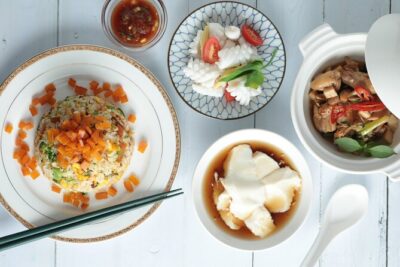
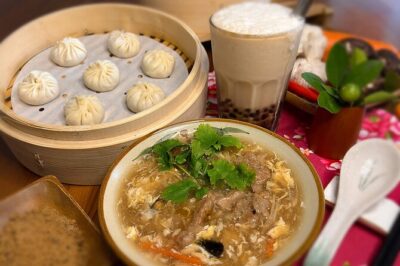
Xiao long bao, Pork thick soup, Bubble milk tea. (Taiwan Cooking Class)-B
Read our review →Browse the lists this tour appears in